
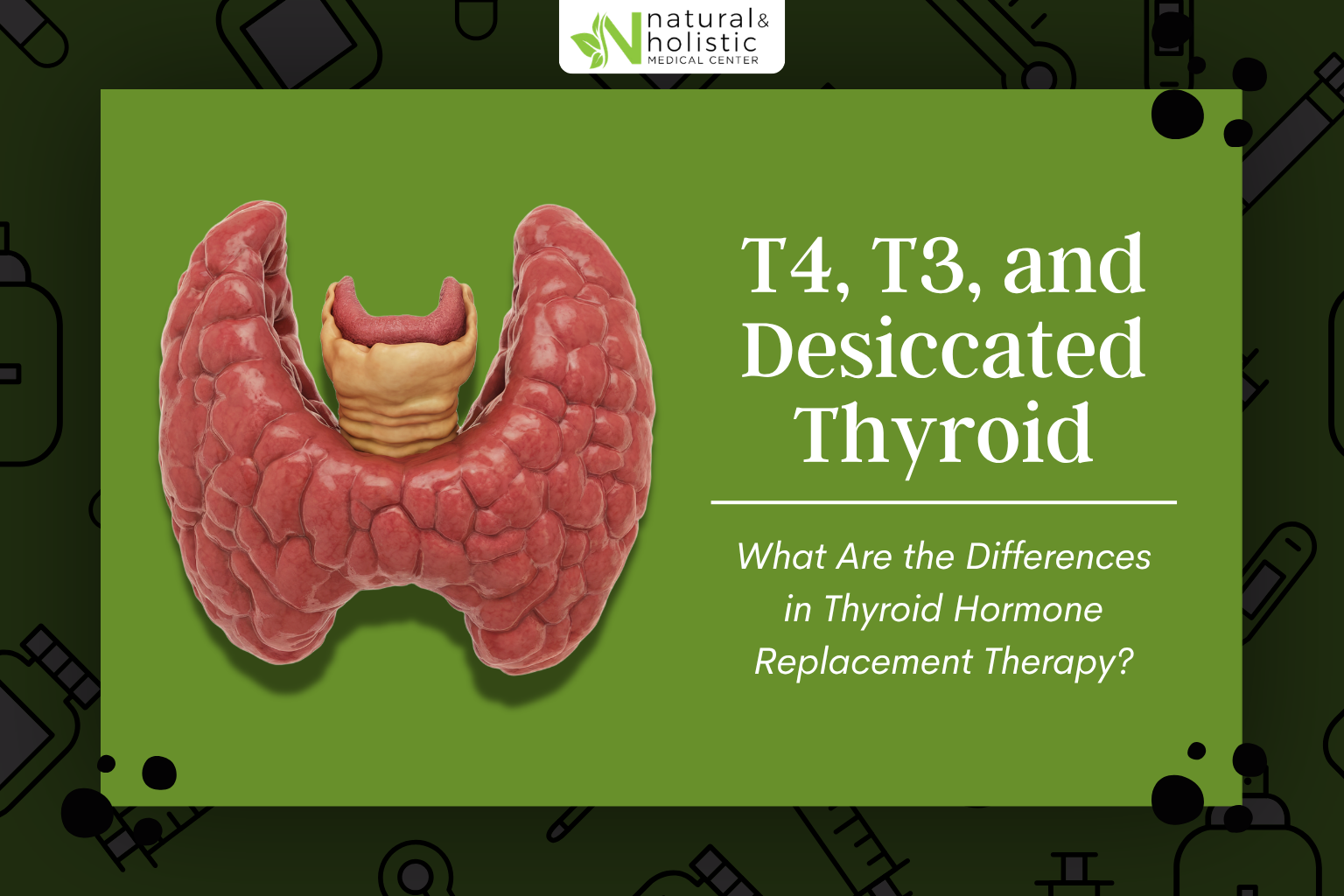
Our thyroid is important for producing one of the main hormones regulating the energy of our body as well as metabolism. However, due to lifestyle and environmental stresses, thyroid hormone imbalance has become very common. It has been estimated that 20 million Americans are suffering from some type of thyroid diseases. The more worrying aspect is that perhaps around 60% may not even know that they have a thyroid problem. This is why it is important to do a thyroid test after your 30s, and if required, opt for a thyroid hormone replacement therapy for early intervention.
Women are especially susceptible to thyroid issues, and are five to eight times more likely than men to develop thyroid problems.
If you develop hypothyroidism, it is a chronic disease and along with thyroid replacement therapy, you would need a lifestyle change. That is why many people look for professional consultation where they don’t just get recommended therapy but are also provided with a structured plan to manage thyroid hormone problems, post therapy.
What happens when you have thyroid issues
Your thyroid is responsible for generating hormones that help in energy regulation and metabolism. As a result, any problems with your thyroid can result in weight gain, fatigue, lack of focus, and irregular body temperature. The main hormone that thyroid provides is T4 and then, there is T3, which is an active form used by the body tissues. Since our body has the mechanism to convert T4 to T3, most hormone replacement therapy is focused on improving the T4 availability in your body.
Why T4 is usually the first choice
The most common treatment is levothyroxine, which is synthetic T4. The reason for this is that levothyroxine can replicate the normal thyroid hormone and hence, it is the first line of treatment when it comes to Thyroid Hormone Replacement Therapy.
Why T4 is usually the starting point:
- It is the most established option in routine hypothyroidism care
- It is taken once daily and is designed to provide stable hormone levels
- The dose can be adjusted based on lab results and symptoms
Since this is a proven method and has a predictable approach, it is a standard treatment. However, there are other approaches that many therapy follows as well.
Where does T3 come in the therapy
Liothyronine, or T3, is also getting a lot of attention since many patients get a few side effects from levothyroxine. They often feel unwell, groggy and very tired. That is where Liothyronine can help. Currently, it is recommended along with levothyroxine, as a way to mitigate the side effects of levothyroxine. Since T3 is an active form that is used by tissues, it can get started on the function as soon as it enters the body. However, this requires expert guidance and constant monitoring for long-term effect and progress.
So how is the right treatment chosen?
The best form of thyroid hormone replacement therapy is one that fits you and is given to you by a trained professional. Remember, that it is not about which one is trending. Thyroid hormone replacement therapy has to be done in a very delicate manner. You should look at the symptoms, the lab values, age of the person, prior medication and then decide on the dosage.
There is also a need for constant follow-up, evaluation and if required, course changes. Along with that, there should be guided lifestyle changes to help you manage your thyroid issues later as well.
At Natural Holistic Medical Center, that is the kind of review we provide that helps patients understand their options clearly. It is about creating a safe space, where proper evaluation and consultation takes priority before creating a plan that is medically grounded, practical, and matched to your real-life needs.
FAQs
Levothyroxine is the standard first-line treatment for primary hypothyroidism.
Some patients still report symptoms even when thyroid lab levels look normal, so treatment may need a closer review. When that happens, the next step is a careful review of dosage and medication timing.
Not usually. T3 is not routinely recommended over levothyroxine for most patients with primary hypothyroidism but rather as a complement to T4.